
A sampling strategy that matches the situation
Air, surface, and targeted sampling are selected based on what is visible, where moisture is present, and what answers you actually need for a decision.
Mold Testing • Atlanta, GA
Get clear sampling, accredited lab results, and a practical next-step plan for your home or rental, without guesswork.
✓Purposeful sampling plan
✓Accredited lab results
✓Practical next steps
Know What You Are Dealing With
A mold test in Atlanta is most useful when you need objective answers: whether there is mold present, what type it is, and what the lab counts look like compared to a control sample.
Common reasons people book mold testing in Atlanta include:
Atlanta's long humid season can keep building materials damp longer than expected. Hidden areas behind baseboards, under carpet padding, and inside wall cavities can support growth. Testing helps determine whether the issue calls for isolated cleaning or a defined remediation plan.
If an active leak or damp building material is involved, stabilize the moisture source and begin drying first. Water damage restoration can address those immediate conditions so the property does not continue feeding the problem.
Inspection, Sampling, Reporting
Mold testing is more than swabbing a spot and calling it done. A defensible report ties observations, moisture findings, and laboratory data together so you can act on it.
A typical visit includes:
We work throughout Atlanta, including condos and older homes where shared walls, renovated assemblies, and aging windows can complicate moisture pathways. In Virginia-Highland and Morningside-Lenox Park, testing often focuses on additions and transitions where old and new building materials meet.
Request Emergency Service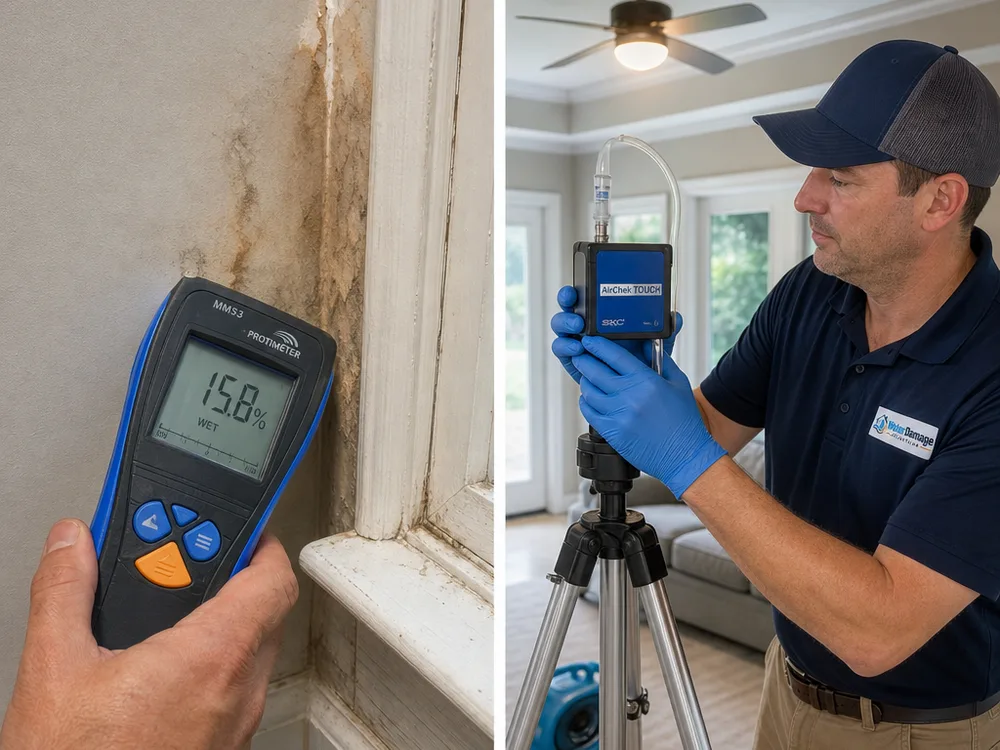
Useful Results, Not Raw Numbers
Air, surface, and targeted sampling are selected based on what is visible, where moisture is present, and what answers you actually need for a decision.
Results come from lab analysis with traceable sample handling, so your report is usable for landlords, buyers and sellers, or property managers.
You get guidance on whether the issue likely needs professional remediation, what areas to open up, and what moisture correction matters most.
If you need a clear write-up for a tenant or owner, we keep findings specific and avoid vague language that creates more conflict than clarity.
We look at drainage patterns, bathroom and kitchen ventilation, and HVAC distribution because mold is usually a moisture management problem first.
If sampling indicates a larger issue, we explain containment concepts such as isolating the work area and negative pressure so you can vet remediation quotes.
Inspect, Sample, Explain
Share the Atlanta address, rooms involved, whether anyone is sensitive, and any known leaks or recent repairs. That helps set expectations for sampling options.
We walk the concern areas, check likely moisture sources, and document conditions that affect interpretation, including recent painting, active dehumidifiers, or HVAC operation.
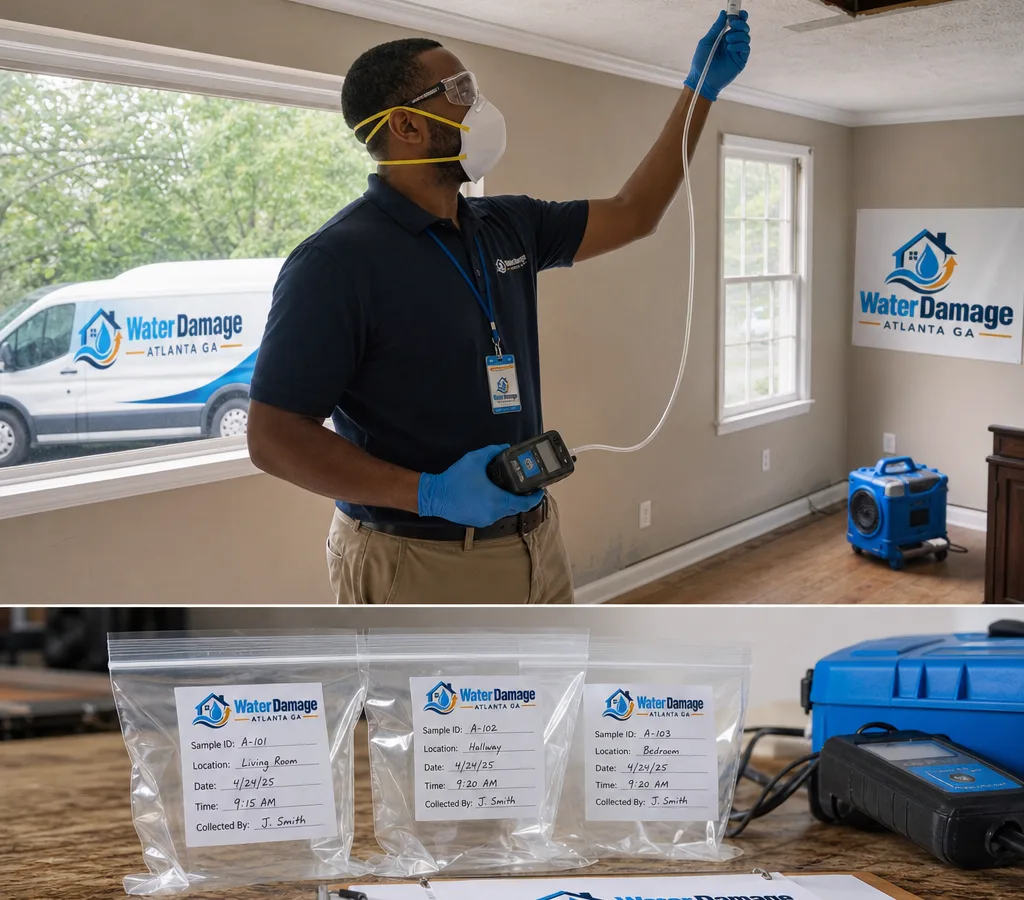
Air and surface samples are labeled, handled, and prepared for lab analysis. We also record environmental conditions that can influence the results.
Once results are available, we explain them in plain terms and outline a sensible plan, whether that means limited cleaning, targeted opening of materials, or remediation.
Straightforward Cost Guidance
Mold testing in Atlanta typically ranges from about $300 to $900+, depending on how many samples are needed and how complex the property is. A basic assessment with a small number of samples often falls near the lower end, while larger homes, multi-story condos, or investigations requiring multiple indoor areas plus control samples trend higher.
Price is mainly driven by the number of air and surface samples, access to attics, crawlspaces, or mechanical closets, the extent of moisture mapping, and the documentation needed for a rental or real estate file. The exact cost is confirmed after the on-site inspection and sampling plan are set.
Atlanta Moisture Patterns
Mold problems usually track back to moisture. In Atlanta, we pay close attention to the conditions that keep materials damp for long periods.
Bathrooms and laundry areas: Poor exhaust, disconnected ducts, or long shower run times can keep drywall corners and ceiling joints damp. Testing helps determine whether staining is cosmetic or microbial growth.
Kitchens and under-sink cabinets: Slow supply-line drips and failed sink seals can wet particleboard and base cabinets without an obvious puddle. Surface sampling documents what is present while moisture readings help pinpoint where further investigation may be needed.
Basements and lower levels: In Buckhead and Midtown, split-level homes and terrace levels can have humidity issues when ventilation is limited. If a lower level smells musty but appears clean, air sampling with a comparison sample can help determine whether the odor aligns with elevated spores.
Around windows and exterior doors: Minor water intrusion at corners can feed hidden growth behind trim. Complaints often begin after periods of heavy rain, even when the leak path is small.
If testing indicates a larger moisture-driven issue, the most important step is correcting the source and drying materials properly. Remediation without moisture control often leads to repeat problems.
Atlanta Client Experiences
“We had a musty smell that kept coming back in one bedroom. The inspection was methodical, the samples were explained before they were taken, and the report told us exactly what to address with our contractor.”
“As a tenant, I needed something objective for my landlord. The results were clear and the next steps were specific, which helped the conversation move forward.”
Answers Before Sampling
Most mold testing Atlanta results are available within a few business days after sampling, depending on the lab's workload and the sample types collected. If timing matters for a closing or move-in date, mention it beforehand so the sampling plan and reporting timeline can reflect your deadline.
If visible growth is present, a surface sample can document what is on the material. If there is an odor or symptoms without a clear source, air sampling is often the better starting point. Many Atlanta cases use both because air results assess the space while surface results identify what is growing on a suspect area.
Keep conditions as normal as possible for 24 hours beforehand. Avoid heavy cleaning with bleach or antimicrobial products in the concern area, and do not run air purifiers that could skew airborne results. Note HVAC issues instead of changing settings immediately before the visit.
Yes. Mold testing can document conditions and laboratory findings in a format useful for owners and property managers. In multi-unit buildings, the inspection also considers shared walls and ventilation pathways because they can affect where moisture and odors originate.
Testing identifies what the lab finds in the samples and supports a strong hypothesis about affected areas, but it does not always pinpoint a hidden source without opening materials. When results suggest a concealed problem, the report can identify likely locations to investigate based on moisture readings and the building layout.
Compare the sampling plan, including the number and placement of air and surface samples, whether moisture mapping is included, which lab receives the samples, and what the written report contains. A useful quote also clarifies whether interpretation and next steps are included rather than only raw lab numbers.
Start with Objective Findings
Tell us what you are noticing and where it is happening. We will recommend a sensible testing approach for your Atlanta property and provide lab-backed results with practical guidance.