Controlled containment
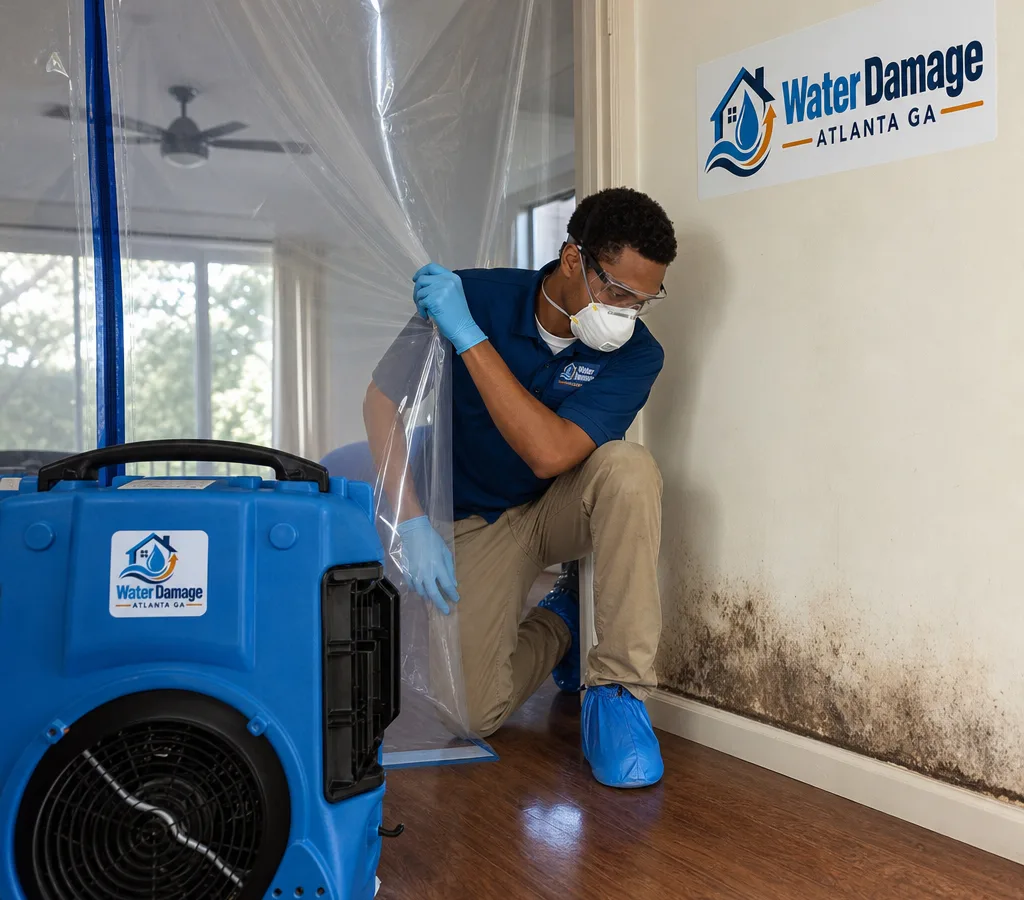
We isolate the work area with plastic sheeting and use negative air pressure when appropriate, so disturbed spores are pulled into filtration instead of spreading through the home.
Mold Removal • Atlanta, GA
If you smell musty odors, see staining, or have had a leak, our certified team isolates the problem, removes contaminated material safely, and helps keep it from coming back.
✓Certified team
✓Controlled containment
✓Written work scope
Source Control Matters
When Atlanta homes stay warm and humid for long stretches, mold can grow fast after a plumbing leak, roof intrusion, or HVAC condensation. Wiping a spot and painting over it can hide the discoloration, but it does not remove spores, contaminated drywall, or damp insulation behind the finish.
Water Damage Atlanta GA provides mold removal in Atlanta, GA with a process built around containment and source control. That means we focus on where the moisture is coming from, how far contamination has spread, and what materials actually need to be removed versus cleaned. You get a clear scope, straightforward communication, and work practices that protect the rest of your home while the job is underway.
Many of the calls we get come from condos and older homes where air movement between cavities is common. In areas like Buckhead and Midtown, multi-family buildings often mean shared walls and limited access, so containment and careful staging matter. In neighborhoods such as Virginia-Highland and Decatur, older construction and crawlspaces can make hidden moisture and damp framing more likely after a slow leak. Whatever the layout, the goal stays the same: stop the moisture, remove the contamination, and leave the area clean and dry enough to rebuild safely.
Controlled Removal
We isolate the work area with plastic sheeting and use negative air pressure when appropriate, so disturbed spores are pulled into filtration instead of spreading through the home.
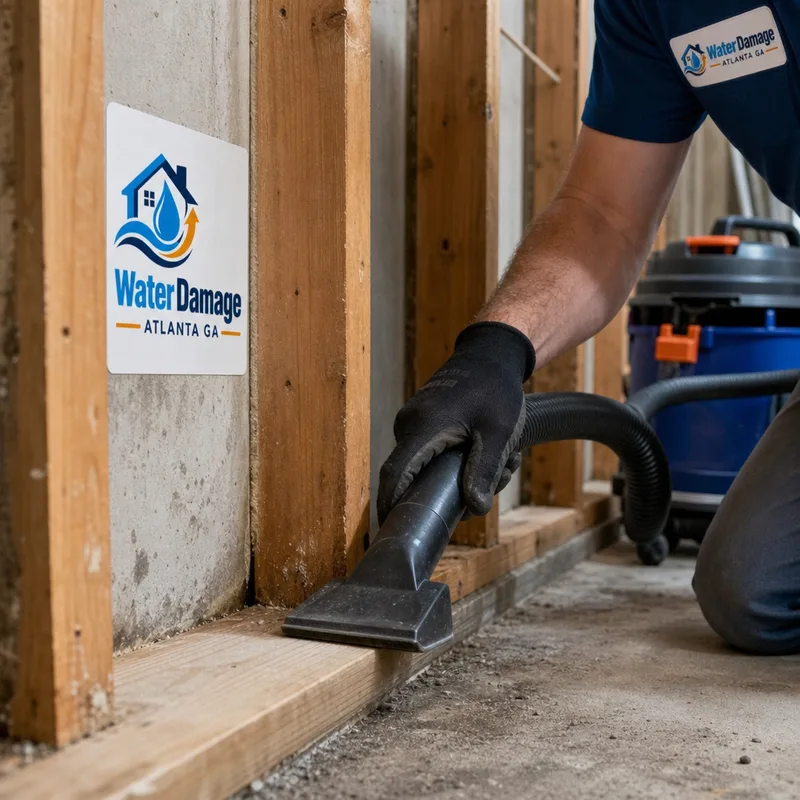
HEPA air scrubbers and HEPA vacuums capture fine particulate. We clean remaining surfaces in the contained zone after removal so the space is ready for dry-out and repair.
Porous materials like drywall, insulation, and some ceiling tiles often need removal when growth is present. Non-porous and some semi-porous materials may be cleaned when structurally sound.
Mold returns when moisture returns. We look for common sources like leaks, condensation, and poor ventilation, then recommend practical fixes so remediation work holds up.
You receive a written plan for what will be contained, removed, cleaned, and dried, plus what needs a follow-on trade, like a plumber, before rebuild.
Inside the Work Zone
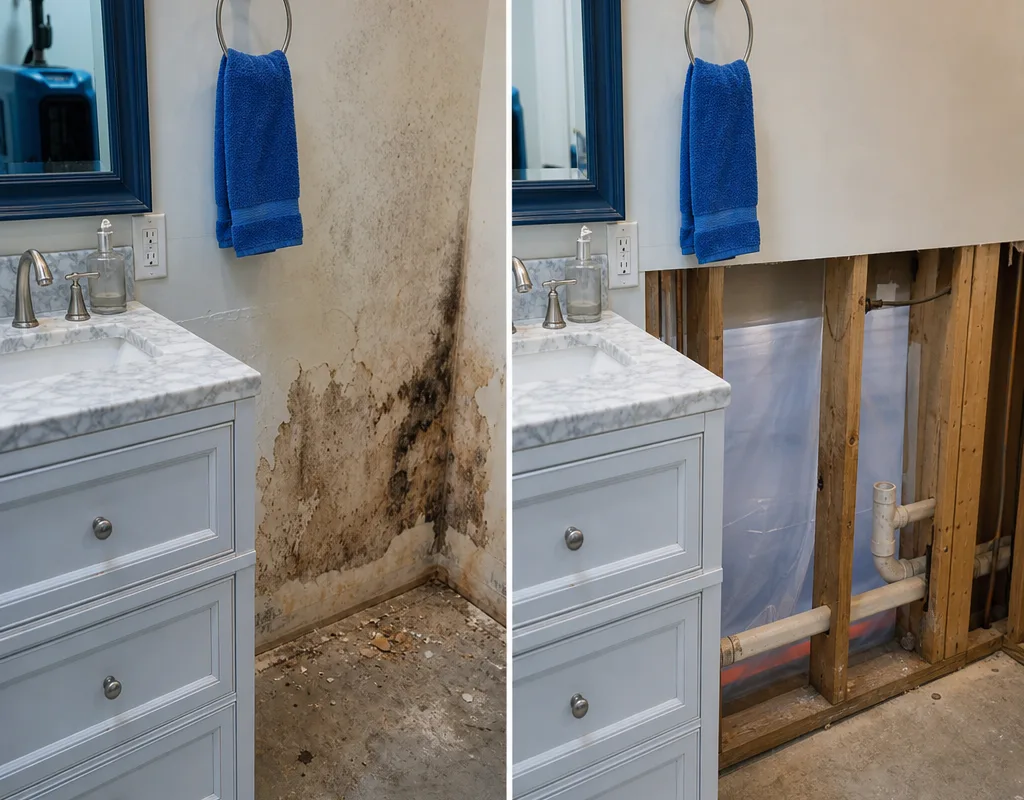
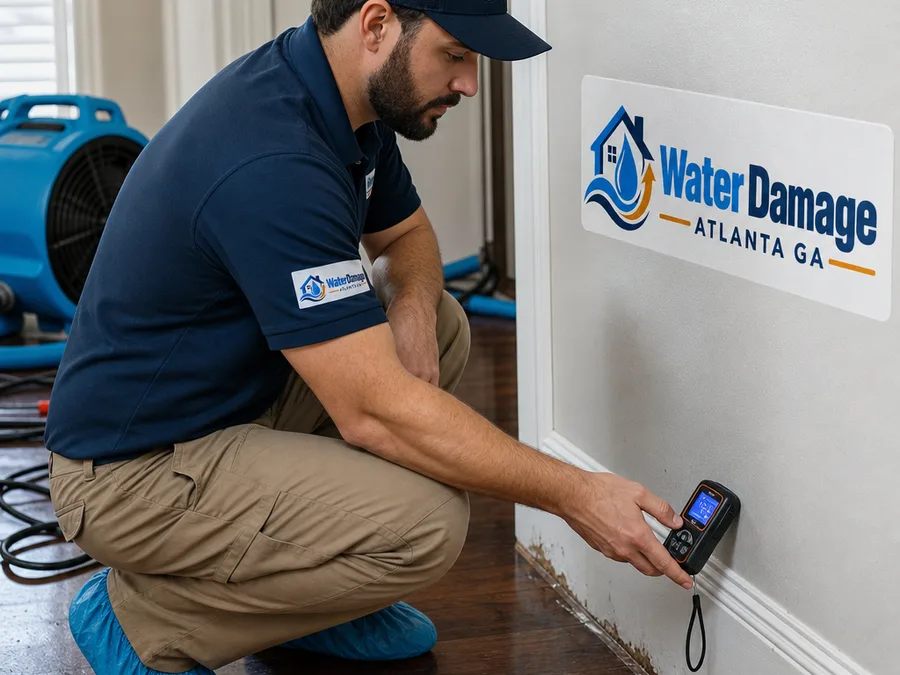
Most projects start with a walkthrough to map what is visible and what is likely hidden. We use moisture readings to identify wet building materials and focus attention around common trouble zones: under sinks, behind vanities, around tubs and showers, at exterior walls with past roof or flashing issues, and near air handlers where condensate lines can back up.
Once the scope is set, we build containment. That usually includes sealing doorways and returns, protecting flooring in the path of travel, and staging equipment so the work zone stays negative relative to the rest of the home. From there, contaminated porous materials are removed and bagged within containment. Remaining framing and solid surfaces are HEPA vacuumed and cleaned with appropriate antimicrobial products.
Drying and verification are what separate a quick cosmetic fix from lasting results. We aim to leave the area dry, clean, and ready for reconstruction. If the mold was triggered by a leak or flooding, coordinating the cleanup with a water event matters. Many clients start by addressing moisture and structural drying through our water damage restoration team before or alongside remediation so the building materials do not stay wet while you are waiting to rebuild.
Request Emergency Service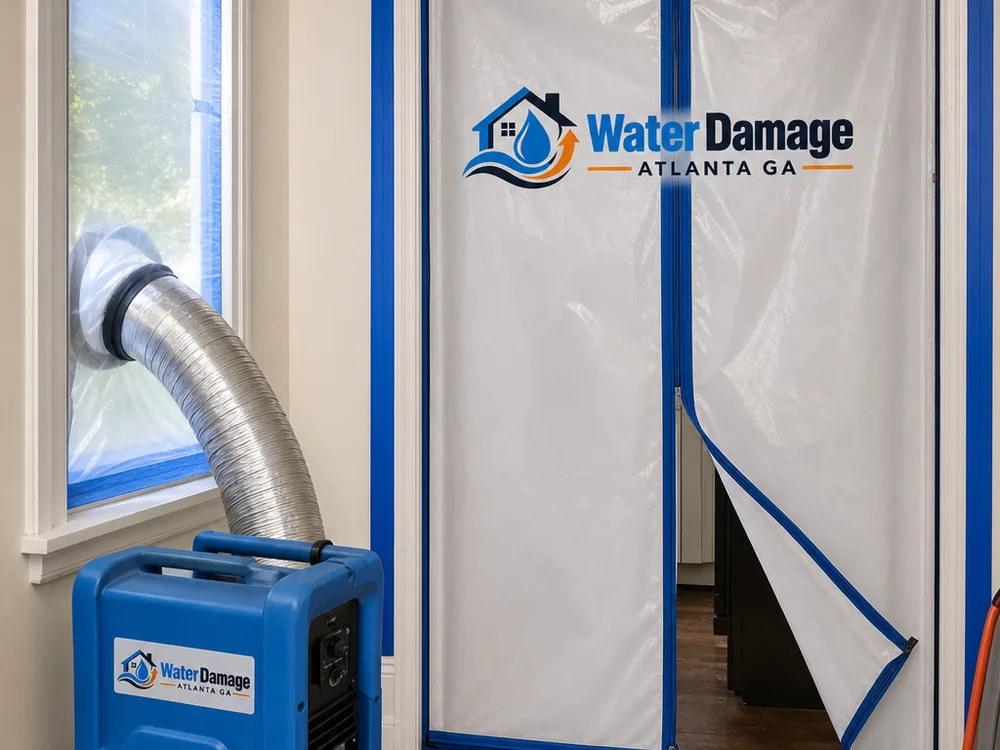
Inspect, Contain, Remove
We identify the likely moisture source, check adjacent areas that commonly share airflow or plumbing, and define what needs containment, removal, and cleaning.
We set barriers and, when appropriate, negative air with HEPA filtration. This keeps disturbed spores from migrating to clean rooms and HVAC pathways.
Affected porous materials are removed carefully and disposed of according to safe handling practices. Salvageable materials are separated from unsalvageable materials to keep the job efficient.
We HEPA vacuum, wipe, and treat remaining surfaces inside containment. The goal is a clean substrate that can be dried and repaired without trapping contamination.
We confirm the area is drying appropriately and outline what should happen next, whether that is a plumbing repair, ventilation improvement, or rebuild of drywall and finishes.
Straightforward Cost Guidance
Mold removal service in Atlanta typically ranges from about $900 to $6,000+, with small contained cleanups often landing around $900 to $2,500 and larger, multi-room or HVAC-adjacent projects running $3,000 to $6,000+.
Final pricing depends on the size of the affected area, how much porous material must be removed, access in attics, crawlspaces, or tight condo layouts, the level of containment needed, and whether drying equipment is required. The exact cost is confirmed after an on-site inspection and a written scope.
Homeowner Experiences
“We had a musty smell that kept coming back after a slow leak under the kitchen sink. The team contained the area, removed the wet drywall, and showed us exactly where the moisture was coming from. The difference in air quality was immediate.”
“Our condo building has tight hallways and shared walls, so I was worried about dust and odor. Their containment setup was thorough, and they kept the work area clean the whole time.”
Answers Before Work Begins
Most mold situations are scheduled as quickly as possible because delays can allow growth to spread in damp materials. The start date depends on access, whether the moisture source is active, and whether containment can be set up safely in the space when we arrive.
Effective remediation usually requires removing contaminated porous materials, then cleaning and treating remaining surfaces inside containment. Sprays can help as part of the process, but chemical treatment alone does not fix mold in drywall, insulation, or other porous materials that hold contamination.
We often see mold around plumbing walls, behind vanities, under sinks, near tubs and showers, and around HVAC closets where condensation can be an issue. Crawlspaces and attics can also be affected when humidity stays high or when a roof or duct issue introduces moisture.
Yes, when the work is done with containment, negative air when appropriate, and HEPA filtration. The main reason professional mold removal in Atlanta uses barriers and controlled airflow is to limit cross-contamination while materials are being disturbed and removed.
We start with a practical remediation-focused inspection to define scope, containment needs, and likely moisture sources. If you need third-party testing for a real estate transaction or independent clearance, we can coordinate timing so testing happens after the cleanup and dry-out steps are complete.
Coverage depends on the policy and what caused the moisture. Mold tied to a sudden covered event, like an accidental water release, is sometimes handled differently than long-term seepage or maintenance issues, so we recommend reviewing your policy details and documenting the cause and affected materials during the inspection.
Many contained, single-area projects take 1 to 3 days of active work, while larger or multi-area jobs can take longer depending on removal scope and dry-out time. Timelines also change when repairs to stop the moisture source must happen before rebuilding.
Start with a Clear Scope
Tell us what you are seeing—odor, staining, a recent leak, or humidity issues—and we will schedule an inspection, define the containment and removal scope, and walk you through realistic next steps for your home in Atlanta.