
Soot on walls, ceilings, and HVAC pathways
We use the right combination of dry removal, HEPA filtration, and surface cleaning so soot is removed instead of smeared or painted over.
Fire Damage Restoration • Atlanta, GA
After a fire, the next steps matter. We help Atlanta property owners stabilize the site, remove soot and odor, document damage, and rebuild a safe, code-ready interior.
✓Soot and smoke control
✓Damage documentation
✓Cleanup and rebuild planning
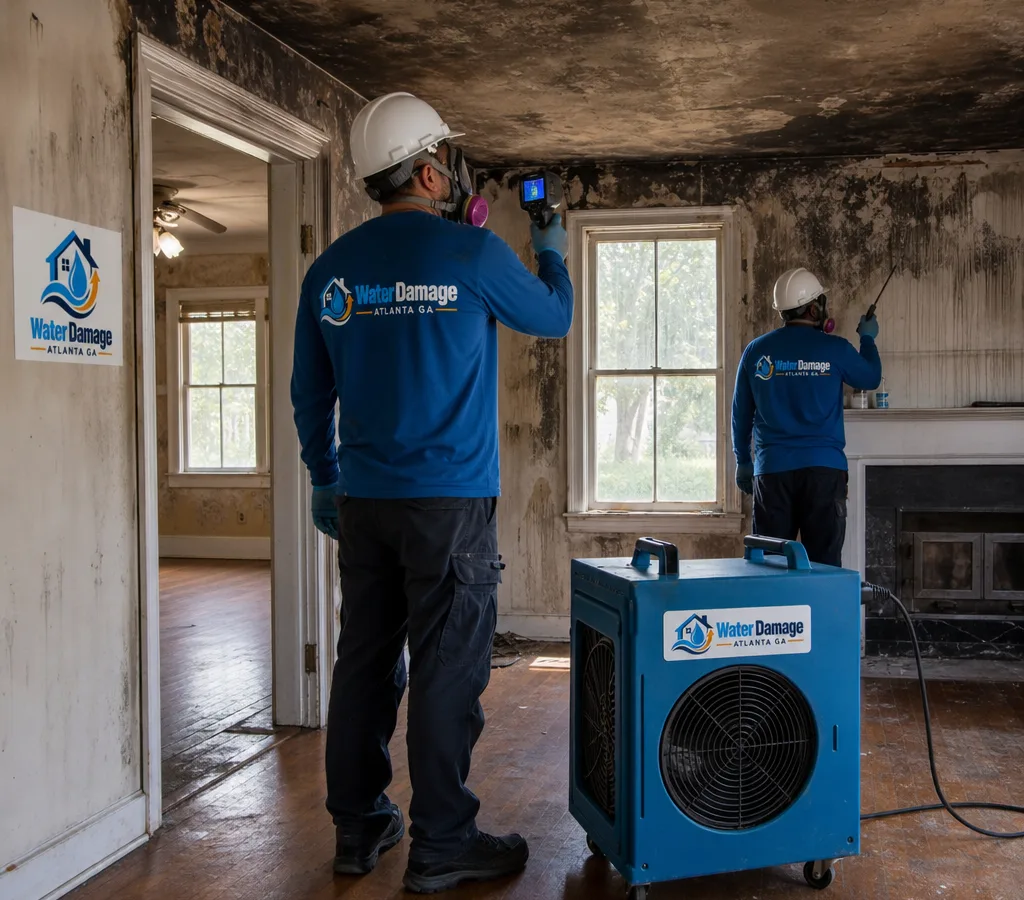
Cleanup Beyond the Visible Damage
Fire damage rarely stops at what you can see. Heat can compromise framing and finishes, smoke can travel through attics and HVAC returns, and soot can become embedded in drywall texture, insulation, and soft goods. Fire damage restoration Atlanta work is typically a mix of emergency stabilization, specialty cleaning, and repair or reconstruction.
Our team at Water Damage Restoration Atlanta GA starts by making the property safer to enter and easier to dry, clean, and rebuild. That often means boarding up openings, isolating affected areas with containment, and setting up negative air and HEPA filtration to control soot and fine particulate.
From there, we create a written scope that separates what can be cleaned and restored from what should be removed and replaced. In Atlanta, that clarity matters because many homes and light commercial spaces share walls, attic runs, and duct routes where smoke can spread beyond the room of origin.
An Atlanta fire restoration project commonly includes:
The goal is not cosmetic cover-up. Proper fire restoration addresses soot, odor sources, and materials that are no longer safe or structurally sound.
Control Secondary Damage Early
The first 24 to 72 hours after a fire can decide how much secondary damage you end up paying for. Even a small fire can lead to broken windows, roof openings, sprinkler discharge, or firefighting water that soaks insulation and drywall.
We focus early work on four priorities:
Site safety and access. We coordinate practical steps like board-up and temporary protection so trades, adjusters, and inspectors can enter safely.
Soot control. Soot spreads fast through foot traffic and air movement. Containment, negative air, and HEPA filtration reduce cross-contamination into hallways, adjacent rooms, and HVAC pathways.
Moisture management. If the fire response introduced water, drying and dehumidification start quickly to limit swelling, staining, and microbial growth.
Documentation. Clear photos, material measurements, and line-item scope notes help insurance conversations stay focused on facts.
Atlanta buildings vary widely. Older homes can have lath-and-plaster or layered renovations that hide smoke paths. Newer builds can include engineered lumber and open floor plans that allow smoke to travel farther. A careful inspection up front keeps the plan realistic.
Request Emergency Service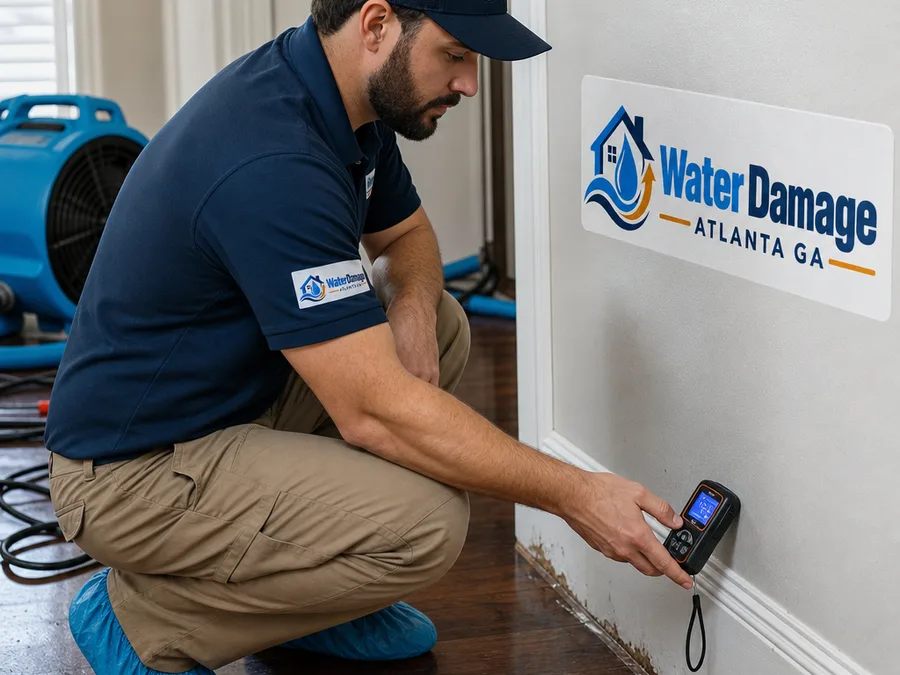
Clean, Control, and Rebuild
We use the right combination of dry removal, HEPA filtration, and surface cleaning so soot is removed instead of smeared or painted over.
Odor control works when the source materials are cleaned or removed first, then treated with a method that fits the structure and contents.
We check behind trim, inside cavities, and in attics where heat can travel, then document what needs removal for safety and rebuild.
Drying and dehumidification start early when needed to reduce swelling, staining, and secondary damage that can delay repairs.
We help separate salvageable items from non-salvageable ones, then coordinate on-site cleaning or pack-out based on the condition and space.
You get a clear, written scope so repairs track to what was actually damaged, with realistic sequencing for trades and inspections.
Built for Atlanta Properties
A good restoration plan fits the building and the block it sits on.
In Midtown and Downtown Atlanta, smoke can migrate through shared corridors, stairwells, and mechanical chases. Containment and air control become a bigger part of the job, and coordination with building management can affect schedules.
In Buckhead, many homes include larger attic footprints and multiple HVAC zones. That often means more inspection points for smoke travel and more detailed cleaning decisions around returns, registers, and insulation.
In Virginia-Highland and other neighborhoods with older housing stock, renovation layers are common. We frequently find soot behind added drywall, inside soffits, or in older cavities that were never designed to be airtight. Targeted selective demolition can be more effective than repeated surface cleaning.
In East Atlanta and similar areas with a mix of bungalows and newer infill, the right approach depends on what is actually behind the finishes. Engineered materials, spray foam, and modern cabinetry can react differently to heat and smoke than older assemblies.
Across the metro, hot, humid weather can slow drying if the structure is left open after the incident. When firefighting water is part of the loss, drying equipment and controlled air movement are planned with humidity in mind so materials dry evenly and odors do not set into porous surfaces.
Stabilize, Clean, Rebuild
We assess affected areas, identify hazards, and outline immediate steps for safe access, containment, and stabilization.
You receive a clear scope describing what will be cleaned, removed, and rebuilt, with supporting photos and measurements.
We isolate the work area, run HEPA filtration as needed, and remove unsalvageable materials in a controlled way to limit soot spread.
We clean soot residues using methods appropriate to the surface, then address the materials that hold odor so treatments actually last.
If suppression water or sprinkler discharge affected the property, we dehumidify and dry materials, monitoring moisture levels as the job progresses.
After cleaning and stabilization, we coordinate repairs and finish work, then walk the property with you to confirm the scope is complete.
Straightforward Cost Guidance
Fire restoration in Atlanta typically ranges from about $3,000 to $12,000 for small, contained losses, while larger projects that involve extensive soot cleanup, selective demolition, and rebuild can run $20,000 to $75,000+ depending on the structure and finishes.
Price depends on how far smoke traveled, what materials must be removed versus cleaned, whether firefighting water requires drying, the amount of contents handling, and access. Multi-story homes and tight urban buildings can take longer. The exact cost is confirmed after an on-site inspection and a written scope.
Atlanta Property Owner Experiences
“The fire itself was small, but the soot was everywhere. The crew contained the work so it didn't spread through the house and explained what could be cleaned versus what had to come out. The odor was gone after the treatment and cleaning plan they laid out.”
“They documented everything clearly for the claim and kept the schedule realistic. The biggest help was getting a straight scope instead of guessing what would show up once walls were opened.”
Answers for the Next Step
Start time depends on site safety and access, but urgent stabilization like board-up, containment, and initial soot control is often prioritized quickly after the incident. If the fire department response included water, early drying also matters because wet insulation and drywall can create secondary damage and lingering odors.
Both are common, and the decision comes down to how heavy the soot is, the surface type, and whether residue has penetrated porous materials. Light to moderate soot on sealed surfaces can often be cleaned, while heavy smoke damage, blistered paint, or odor embedded in porous drywall may justify removal for a cleaner rebuild.
A typical scope includes safety steps such as board-up or temporary protection if needed, containment and air control, soot removal with HEPA methods, odor source removal and treatment, debris hauling, and repairs for removed materials. When firefighting water is involved, drying and dehumidification are usually added so repairs do not trap moisture behind new finishes.
Smoke odor usually lingers unless the source materials are cleaned or removed. Odor molecules bind to porous items like insulation, unfinished wood, fabrics, and some ceiling textures, so a lasting result typically requires targeted cleaning plus an odor treatment method chosen for the building and contents.
Yes, most fire restoration projects involve insurance, and clear documentation helps keep the process moving. We provide photos and a written scope that separates cleaning, demolition, and repair items so the claim discussion stays tied to the actual damage present in the property.
Sometimes, but it depends on air quality, the area affected, and whether containment can fully separate living space from work space. If soot is widespread, odor is strong, or the HVAC system is affected, temporary relocation is often the safer and faster option until cleaning and air control are complete.
Start with a Written Scope
Tell us what happened and what areas were affected. We'll inspect the damage, explain what can be restored versus replaced, and provide a written scope that supports safe cleanup and a clean rebuild.