
Mold Remediation Company
Containment, removal of affected materials, HEPA air control, and cleanup to address mold growth at the source.
Atlanta Water Damage Response
Fast response for leaks, burst pipes, and flooding with careful drying, moisture checks, and a clear written scope before repairs begin.
✓Moisture mapping
✓Controlled structural drying
✓Clear written scope
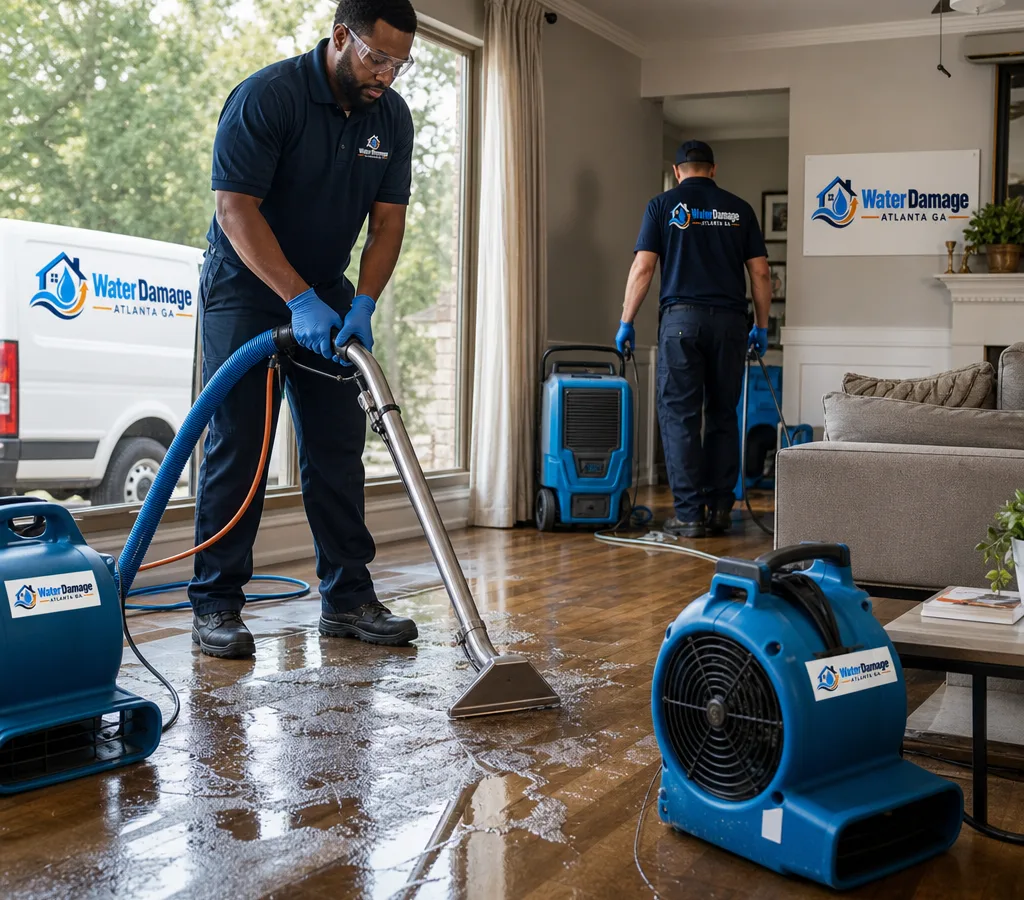
Find and Control the Moisture
When water gets into flooring, drywall, cabinets, or insulation, the real problem is what you cannot see yet. Water damage restoration atlanta ga work needs more than a quick cleanup. It needs controlled drying, documentation, and follow-up moisture testing so the structure is actually ready for repair.
Water Damage Atlanta GA handles the full first-response process for water damage in Atlanta, including extraction, drying and dehumidification, and targeted removal of wet materials when needed. We look for hidden moisture behind baseboards, under floating floors, and in wall cavities, then build a plan around what the meters show. You get a written scope and straightforward expectations for timeline, access, and next steps.
Complete Property Recovery
Containment, removal of affected materials, HEPA air control, and cleanup to address mold growth at the source.
Safe removal of visible mold and impacted building materials with careful dust control and site cleanup.
Detailed cleaning of affected surfaces and contents, including HEPA vacuuming and antimicrobial wiping where appropriate.
Sampling and reporting to help confirm conditions and guide the next step, especially when mold is suspected but not visible.
On-site inspection focused on moisture sources, visible growth, and risk areas like crawlspaces, attics, and HVAC closets.
Focused help for stubborn or recurring mold issues, including moisture tracing and targeted remediation planning.
Cleanup and restoration after a fire, including debris removal, odor control, and repair planning for affected areas.
Cleanup and repair after flooding, including water removal, sanitizing, and drying to reduce long-term damage.
Project coordination for common property damage needs, from initial assessment through restoration planning.
Immediate actions to limit spread and secondary damage, including extraction, stabilization, and targeted drying strategy.
Rapid water removal and cleanup for leaks and overflows, with drying setup and monitoring to protect materials.
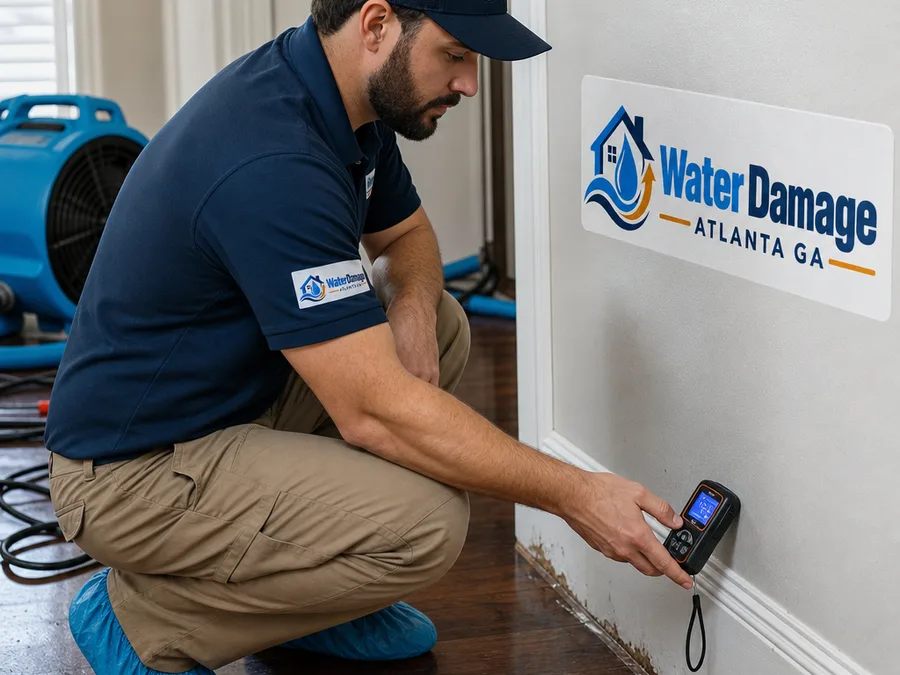
We track water migration with moisture meters and identify where drying needs to happen: floors, walls, cabinets, and subfloor.
Air movers and dehumidifiers are set up for the room volume and materials, then adjusted as readings change.
You receive a written plan that explains what will be removed, what will be dried, and what comes next.
Hardwood, tile, carpet, and drywall all react differently. We choose drying and removal based on what can realistically be saved.
The goal is to reduce warping, staining, swelling, and microbial growth by drying the structure correctly and on time.
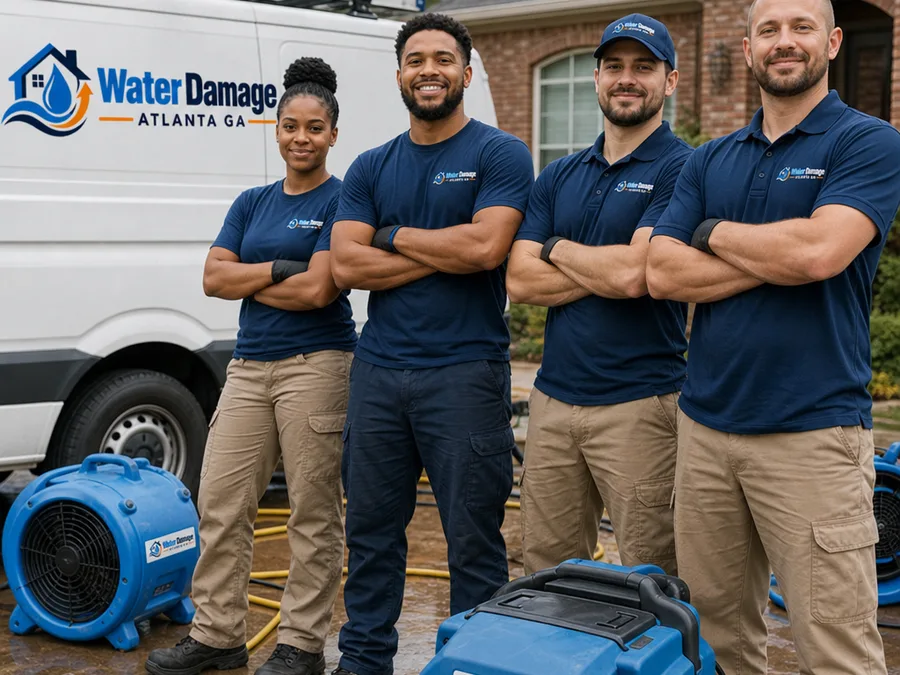
Local, Organized Restoration
Water Damage Atlanta GA is a local crew serving Atlanta, GA (30305) with straightforward, trade-level water restoration work. We show up ready to assess, extract, and dry, then we keep the job organized with daily checkpoints and moisture readings you can understand.
If you are dealing with a leak under a sink, a supply line failure, an overflowing tub, or storm water that made its way inside, the first priority is to stop the spread and stabilize the structure. The next priority is making sure the property is actually dry before repairs are closed up. That is where many water damage Atlanta situations go wrong. We build the plan around what we can measure, not what we hope is dry.
Request Emergency ServiceStraightforward Cost Guidance
Water damage restoration in Atlanta typically ranges from about $1,200 to $6,500 for many residential losses. A minor, contained leak with quick drying may land around $1,200 to $2,500, while a larger multi-room loss with removal of wet drywall, flooring, and heavier drying often runs $3,500 to $6,500+.
Final cost depends on affected square footage, water category, how far moisture has traveled, materials involved (hardwood, cabinets, insulation), access to crawlspaces or wall cavities, and how long water sat. Exact pricing is confirmed after an on-site inspection and moisture mapping.
From Assessment to Verification
We identify the source area, check adjacent rooms, and map moisture in floors and walls to define the true footprint.
We remove standing water, set protection as needed, and prioritize areas where water can wick and spread.
We place air movers and dehumidifiers to match the space, then monitor and adjust based on readings.
If materials cannot dry safely or would trap moisture, we remove them in a controlled way to open the structure.
We confirm drying targets with moisture checks and provide a clear status update before repair work is closed in.
If you are seeing staining, swelling, buckling floors, or a musty smell after a leak, get an inspection before the damage spreads behind finishes.
Call for Emergency HelpLocal Property Conditions
We work across Atlanta, focusing on homes where quick access, careful moisture checks, and correct drying make the difference between a simple repair and a long rebuild.
Request Emergency ServiceHomeowner Experiences
“We had a supply line leak that soaked the kitchen floor and the wall behind the cabinets. The crew explained what they found with the moisture meter, set drying equipment the same day, and kept us updated until everything tested dry.”
“After an overflow upstairs, they caught wet drywall in the adjacent room we did not think was affected. The written scope made it easy to understand what had to be removed and what could be saved.”
“Professional and organized. They protected the walkway, handled the extraction fast, and the follow-up checks gave us confidence before repairs started.”
Answers Before Work Begins
Start the restoration process as soon as the water source is stopped because moisture can move into drywall, baseboards, and subfloors quickly. In Atlanta homes with hardwood and layered subfloors, early extraction and dehumidification often determines what can be saved versus what needs removal.
Yes, we handle extraction, cleanup of wet debris as needed, and controlled structural drying with monitoring. The goal is to return the structure to a verifiably dry condition before repairs are closed in.
Sometimes, depending on how long the water sat, how far it traveled under the boards, and the type of flooring system. We check moisture in the flooring and subfloor, then recommend drying in place or targeted removal based on what the readings show.
Shut off the water source if possible, avoid using affected rooms where ceilings are sagging or outlets are wet, and move small valuables and electronics out of the wet area if it is safe. If you have photos of the source and the spread, they can help document the initial condition.
Yes, we can provide documentation of affected areas, moisture readings, and the written scope of work that carriers typically request. Coverage decisions vary by policy and cause of loss, but clear documentation helps the claim move forward.
We use moisture meters and targeted checks at likely migration points like baseboards, door thresholds, and around cabinets and vanities. When readings indicate trapped moisture, we recommend the least invasive access that still allows proper drying.
Start with a Moisture Inspection
Tell us what happened and where the water is showing. We will schedule an inspection, map the moisture, and provide a clear written scope so you can move forward with cleanup and repairs.