
Same-day mitigation focus
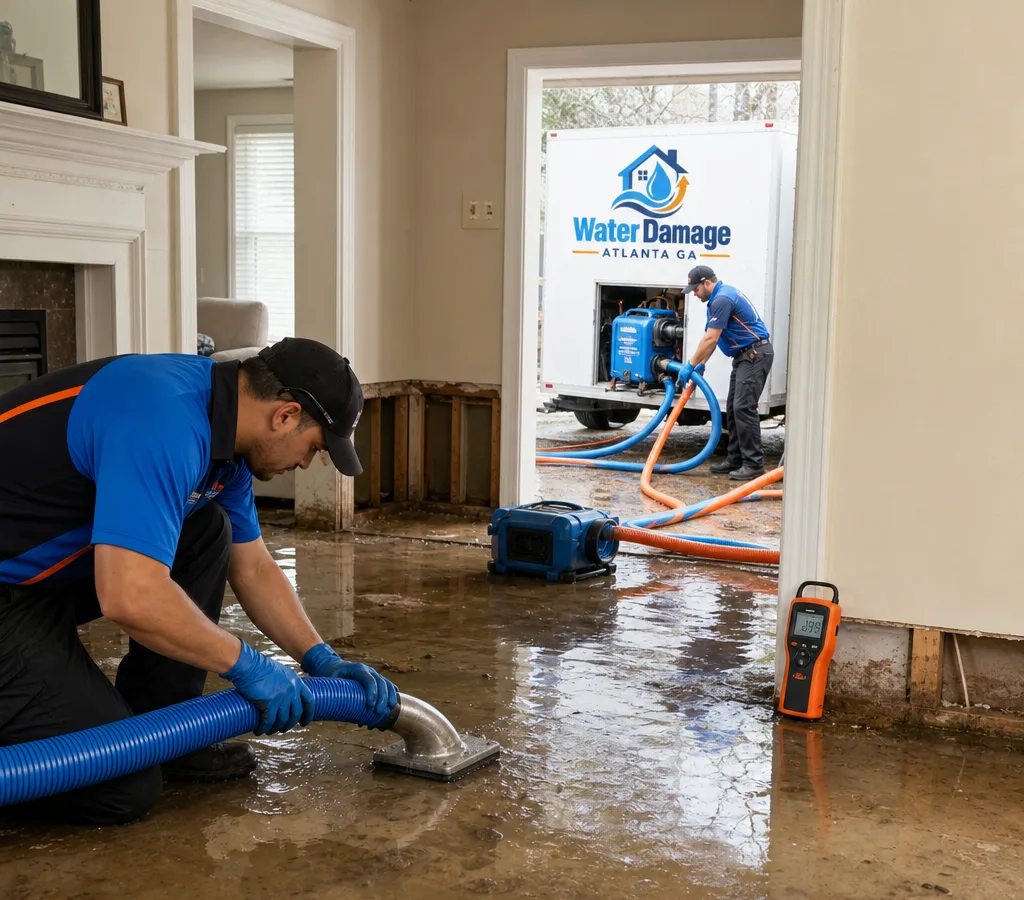
We prioritize water extraction, controlled demolition when needed, and drying setup so the structure can stabilize quickly and repairs can move forward.
Flood Restoration • Atlanta, GA
When flooding hits, minutes matter. Get a fast on-site assessment, water extraction, and a clear restoration plan to protect your home or business and prevent secondary damage.
✓On-site assessment
✓Moisture-guided drying
✓Written restoration scope
Stop the Damage from Spreading
Flood damage restoration in Atlanta starts with one goal: stop the damage from spreading. Standing water and saturated building materials can lead to warped floors, swollen drywall, electrical hazards, and mold growth if drying is delayed.
Water Damage Atlanta GA handles the full flood restoration process for residential and commercial spaces in the Atlanta area, starting with immediate safety checks and water removal, then structured drying and repairs. We work on common flood sources in the region, including heavy-rain intrusion, storm runoff, plumbing failures, overflowing fixtures, and water entering from garages, basements, and crawl spaces.
If you are also dealing with ongoing moisture from a leak or an overflow that is not a full flood event, our team covers the same critical containment and drying steps through water damage restoration.
Complete Flood Recovery
We prioritize water extraction, controlled demolition when needed, and drying setup so the structure can stabilize quickly and repairs can move forward.
We use moisture meters and thermal imaging checks to locate wet materials behind walls, under flooring, and inside cavities so drying targets the whole affected area.
Floodwater can carry sediment and bacteria. We separate materials that can be cleaned from materials that should be removed, and we apply the right disinfecting steps for the water category.
Atlanta homes with crawl spaces can hide lingering moisture after a flood. We address trapped humidity, wet insulation, and saturated soil areas that keep feeding moisture back into the home.
After drying verification, we outline what needs to be rebuilt: drywall, trim, flooring, cabinets, paint, and any affected finishes, with a written scope.
Measured Extraction and Drying
A good flood recovery plan in Atlanta is built around drying science and building assemblies, not just removing visible water.
First we secure the site. If water reached outlets, appliances, or an electrical panel, we treat it as a safety priority. We also stop the source when possible and document conditions.
Next comes extraction. Pumps and truck-mounted extractors remove standing water quickly, then we move to detail extraction around baseboards, seams, and low points.
Then we open up what cannot dry in place. Flooded drywall and insulation can hold water inside the wall cavity. Depending on saturation, we may remove baseboards, detach sections of drywall (flood cut), or lift flooring to expose wet layers.
Drying and dehumidification follow a measured plan. Air movers and dehumidifiers are placed based on the affected square footage, material type, and air pathways. We track progress with daily moisture readings so we can adjust equipment and confirm when materials reach dry standards.
Finally, we clean and rebuild. After sanitizing and deodorizing as needed, we restore the structure and finishes so the space is safe and usable again.
Request Emergency Service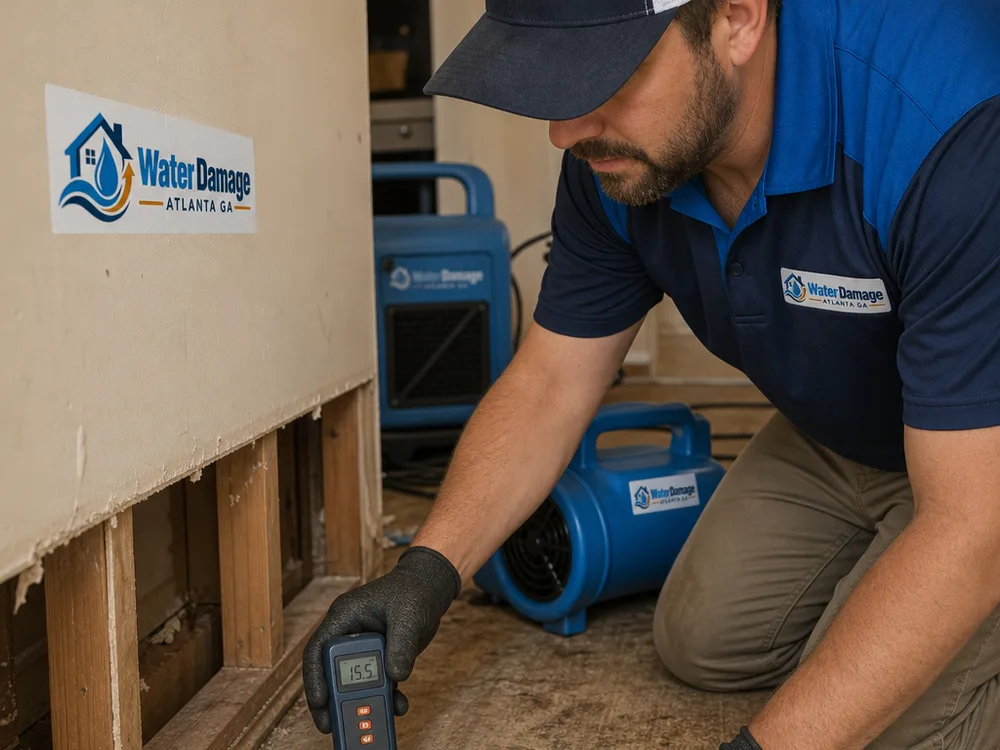
Extract, Dry, Restore
We identify where water traveled, what materials are affected, and any immediate hazards. You get a plain-language explanation of what needs to happen first.
We remove standing water, protect unaffected areas when practical, and control debris and foot traffic so damage does not spread.
Flooded pad, insulation, swollen particleboard, and certain drywall conditions often need removal to dry the structure correctly and reduce odors.
We set airflow and dehumidification to match the structure. Moisture readings guide when equipment can be reduced or removed.
If floodwater was contaminated or there is visible soil and debris, we clean and disinfect surfaces, then address lingering odors with appropriate methods.
Once dry goals are met, we rebuild affected areas. The scope depends on what was removed and what finishes need replacement.
Atlanta Flood Conditions
Flood damage can look different depending on the building type and drainage patterns around it, so our approach starts with the structure in front of us.
In Buckhead (ZIP 30305), we often see water affecting finished flooring, baseboards, and built-ins where water travels across large open rooms. Quick extraction and early moisture mapping help prevent warping and hidden dampness under engineered wood and subfloors.
In Midtown and Downtown, condos and multi-unit buildings add coordination needs. We focus on documented drying, careful containment, and clear communication so neighboring units, building management, and shared systems are not overlooked.
In East Atlanta and older intown neighborhoods, mixed construction types can mean varied drying behavior. Plaster, older framing, and layered floor assemblies can hold moisture longer, so verification readings matter before repairs start.
Along low-lying areas near creeks and drainage corridors, floodwater can bring sediment. That changes the cleaning and material-handling plan because fine silt can settle into seams, floor joints, and wall cavities.
If you are not sure how far the water traveled, that is normal. Floodwater often moves under flooring and behind walls long before it is visible on the surface.
Straightforward Cost Guidance
Flood damage restoration in Atlanta typically ranges from about $1,500 to $12,000+, depending on how much water entered the structure, how long materials stayed wet, and how much demolition and rebuilding is required. A small affected area with clean water and minimal tear-out may fall in the lower range, while a large multi-room flood with saturated drywall, flooring removal, and extensive drying equipment trends higher.
Final pricing changes with the water category (clean vs contaminated), square footage, flooring and wall assemblies, access (upper floors, tight crawl spaces), and the number of days dehumidifiers and air movers must run. The exact cost is confirmed after the on-site inspection and moisture mapping.
Answers Before Work Begins
Flood restoration should start as soon as you can safely access the space, ideally the same day, because materials begin absorbing water immediately and drying gets harder the longer moisture stays trapped. In Atlanta, warm and humid conditions can also slow drying if the home is not dehumidified quickly. If power is off or water reached electrical components, address safety first and then start extraction and drying.
Some hardwood floors can be saved, but it depends on how long they were wet, whether water reached the subfloor, and how the floor is installed. Quick extraction, controlled drying, and dehumidification improve the odds, while cupping, crowning, buckling, or widespread staining often signals deeper saturation. We check moisture levels in the boards and subfloor to guide whether drying in place is realistic.
Drywall removal depends on saturation depth and the water category, but floodwater that wicked up the wall often requires a flood cut to expose the cavity and remove wet insulation. Drying a sealed wall can leave moisture trapped behind paint and finishes. We base the decision on moisture readings, visible swelling, and whether the water was potentially contaminated.
Most structural drying takes 3 to 5 days, but timelines can be longer for dense materials, large affected areas, crawl spaces, or when water sat for a while. Drying time also changes with what needs to be opened up, such as trapped moisture under flooring. We track drying with documented moisture readings rather than using a fixed timeline.
If it is safe, stop the water source, avoid rooms with standing water near outlets, and move small valuables to a dry area. Do not run household fans into saturated walls or closed cavities because it can spread humid air without actually removing moisture. If you can, take a few photos of the affected areas for documentation and make a list of what rooms were impacted.
Mold risk increases when wet materials stay damp, especially in concealed spaces like wall cavities, under floors, and in crawl spaces. The practical prevention step is fast extraction plus dehumidification and airflow targeted at the wet assemblies, followed by verification that materials reached dry standards. If mold is already visible, the work plan changes to include containment and proper removal steps.
Move from Cleanup to Recovery
Tell us what happened and what areas are wet. We will schedule an on-site assessment, explain the next steps, and provide a written scope so you can move from emergency cleanup to a complete restoration plan.